Offshore drilling in Northern Europe is a demanding business where equipment must do much more than simply operate. It must be safe, compact, transportable, easy to maintain, and ready to perform under changing weather and working conditions. For drilling contractors, the real challenge is not only selecting individual pieces of solids control equipment, but building a complete system that can work efficiently within the limited space and strict operational requirements of an offshore platform.
Designing the System Around the Platform
Space offshore comes at a premium. Every square meter of deck area has operational and economic value. Large, permanently assembled equipment can create difficulties during transportation, installation, maintenance, and future modification.
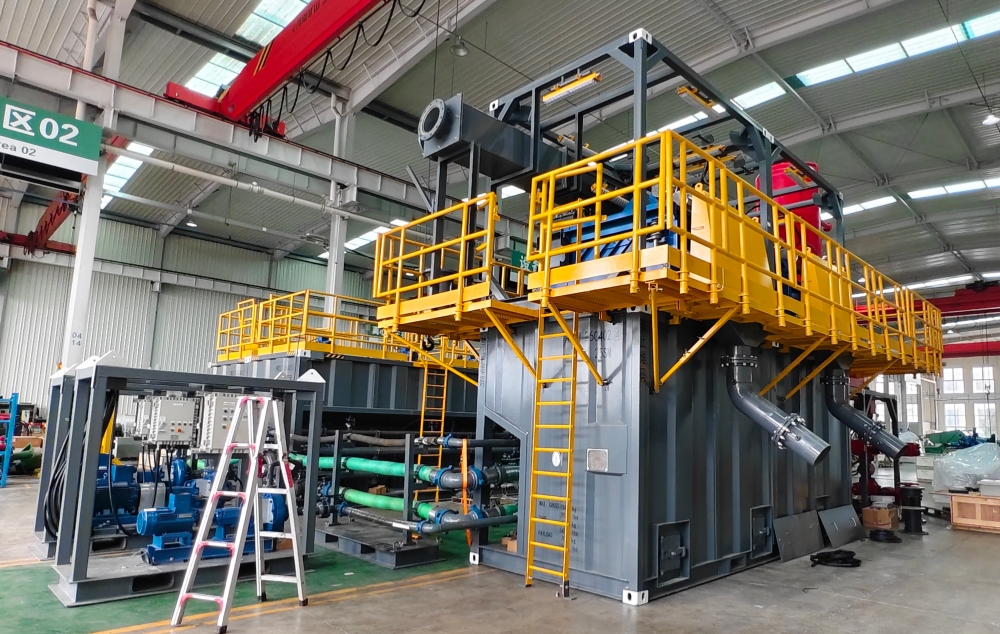
GN therefore focuses on a modular philosophy. Instead of designing the solids control system as one oversized installation, the complete package can be divided into practical modules according to the customer’s deck layout and drilling process.
Shale shakers, mud cleaners, centrifuges, vacuum degassers, pumps, tanks, electrical systems, and other components can be arranged into functional modules. This allows the equipment to be transported and installed according to actual site conditions while maintaining an integrated solids control process.
Saving Time Where It Matters Most
Onshore, installation time is important. Offshore, it becomes even more critical.
Mobilization often involves cranes, supply vessels, offshore personnel, and carefully coordinated work windows. Any unexpected delay can have a direct impact on project costs.
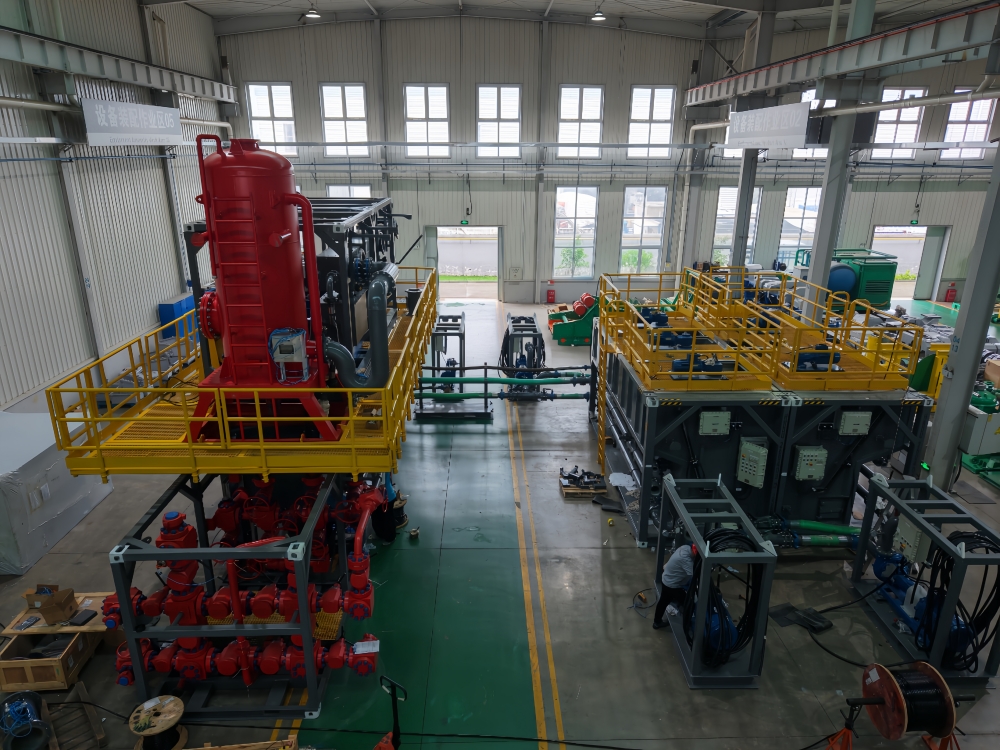
GN’s modular quick-disassembly structure is designed with this reality in mind. Equipment can be separated into manageable sections for transportation, lifting, installation, maintenance, or relocation.
Safety Is Part of the Design
European offshore projects operate under strict safety requirements, particularly when equipment is installed in potentially hazardous areas.
GN’s offshore solids control systems can be configured with ATEX explosion protection and CE certification, supporting the safety and compliance requirements of European projects.
For offshore lifting and handling, equipment can also be designed according to DNV 2.7-1 requirements. Certified lifting structures and suitable offshore skid configurations provide additional confidence when equipment is moved by crane between supply vessels and offshore installations.
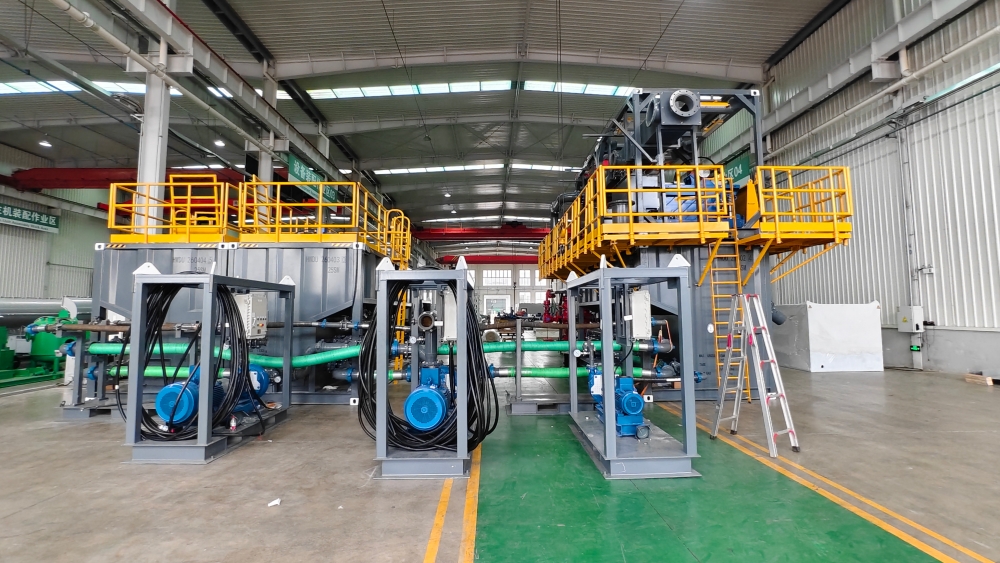
Safety is therefore considered from the beginning of the engineering process, rather than added after the equipment has already been designed.
GN’s modular system can be configured to meet CSC container requirements, allowing equipment to fit into established international sea and land transportation systems. Standardized transportation concepts simplify logistics planning and make it easier to move equipment between different project locations.
GN combines solids control technology with offshore structural engineering, hazardous-area requirements, lifting considerations, and transportation planning to create a complete solution rather than simply supplying individual machines.
From the initial layout and equipment selection to fabrication, certification, transportation, installation, and after-sales support, GN works to ensure that every part of the system fits into the larger offshore operation.
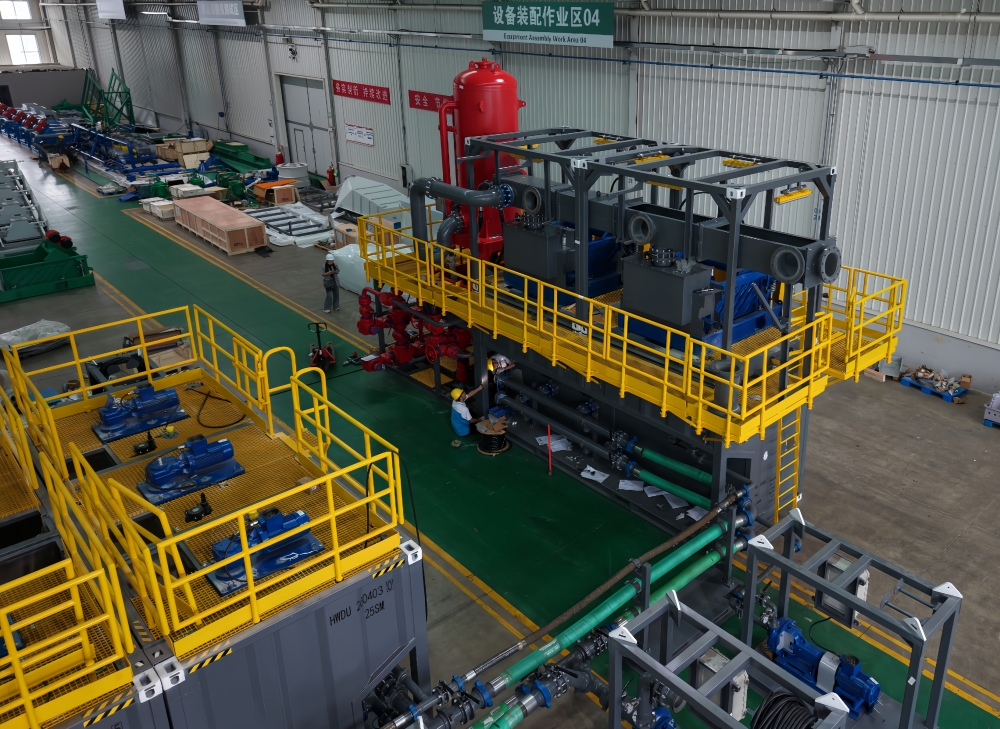
With ATEX + CE certification, DNV 2.7-1 offshore lifting capability, CSC-compliant transportation, and modular quick-disassembly design, GN’s Modular Solids Control System is engineered to meet the practical challenges of European offshore drilling.